
Waypoint 9 – Strand, Sandford Quay
A hive of ship building
Over the centuries, a succession of skilled shipbuilders worked here, constructing and repairing vessels that sailed far beyond the Exe.
The Spanish Armada
In 1588, King Phillip II of Spain sent a fleet of ships and an army to England to defeat the realm of Elizabeth I. The Spanish Armada as it became known had 130 ships with 30,000 troops. The attack failed and they were defeated. The English fleet lead by Sir Francis Drake chased the storm beaten armada round the top of Scotland and the coast of Ireland until finally few ships survived. Topsham-built vessels took part in the defeat of the Armada. It is recorded that three ships were sent into battle; Bartholomew, 130 tons; Rose, 110 tons; and Gift, 25 tons. They sailed to Plymouth Sound on 16th July 1588, and returned to Topsham in September 1588.
The Davy and Holman dynasties
This is the site of Sandford Quay. In the 18th century, ships were built here by Robert Davy, followed by Owens, and later by the renowned firm of John Holman & Sons.
HMS Terror
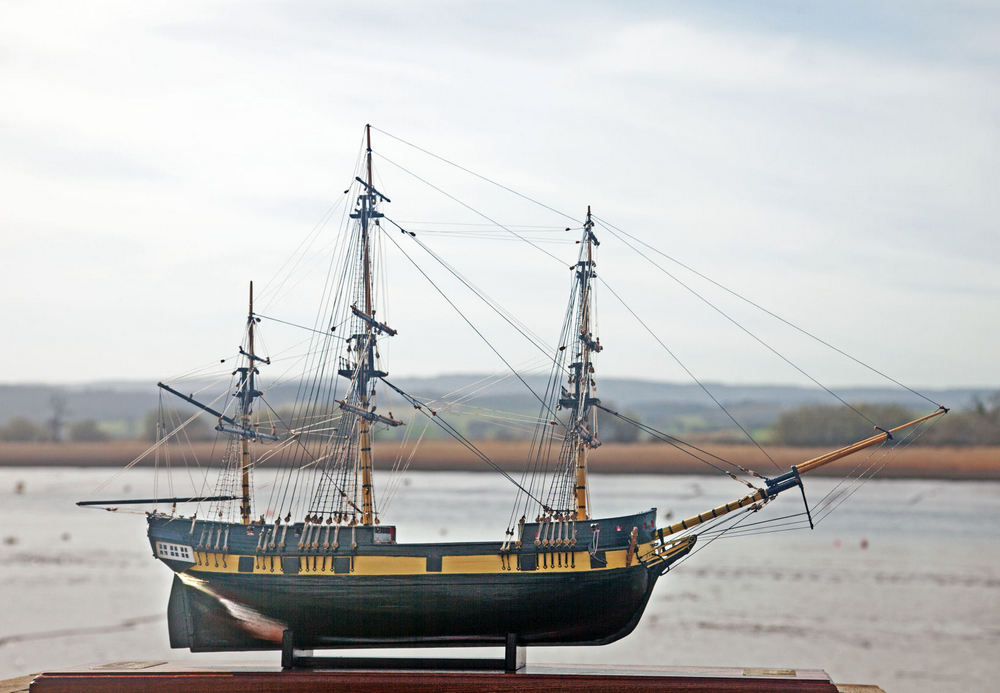
In the 18th Century, the ship yards of Robert Davy were becoming established along the river front. Near this site, Davy built ships such as East Indiamen, West Indiamen, local stone-carrying boats and ships for the Royal Navy such as HMS Terror, built in 1813. She was known as a Bomb ship. Bomb ships were so ferocious that they were traditionally named after volcanoes because of their destructive qualities. Their immense fire power came from two huge canon used to bombard the enemy. Bomb ships were built with thick hulls, several were converted in peacetime as ships for polar exploration.
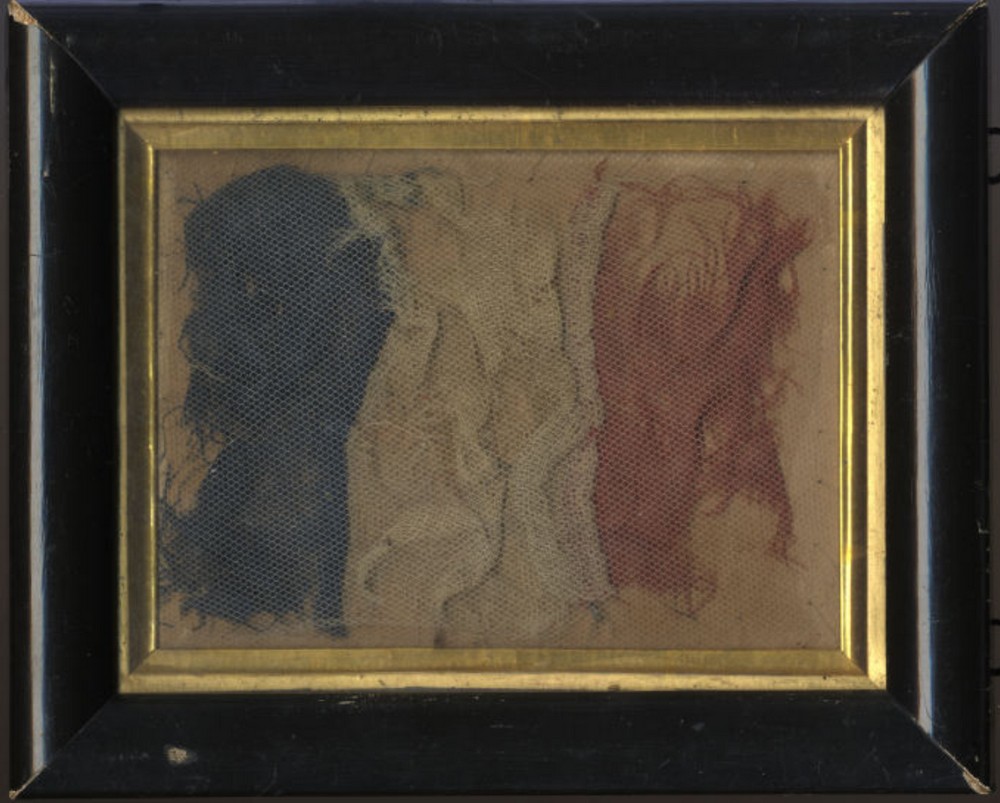
In 1845, Terror was refitted and sent on an expedition to find the Northwest Passage. The expedition, under the command of Captain John Franklin, had men and supplies to last for 5 years. Neither Franklin nor his men were ever seen again. For nearly 150 years the Arctic kept its secret of the final resting place of the Terror, when in 2016, a team of marine researchers found her off the southern coast of King William Island, Canada sitting upright in 80ft of water. The museum holds a model of Terror with an account of its history and visitors can see the fragment of flag recovered from the area.
Sandford Quay
In 1858, the Holman company opened a dry dock on the site now occupied by the modern residential block, Strand Court. The shipyard stretched 240 feet from road to river, with a river frontage of 180 feet. Among its most impressive creations was the wooden ship Hugh Fortescue, at a remarkable 505 tons — one of the largest ever built in Topsham.
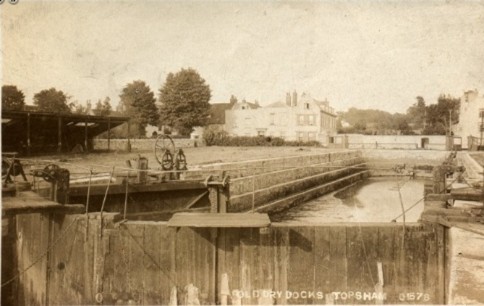
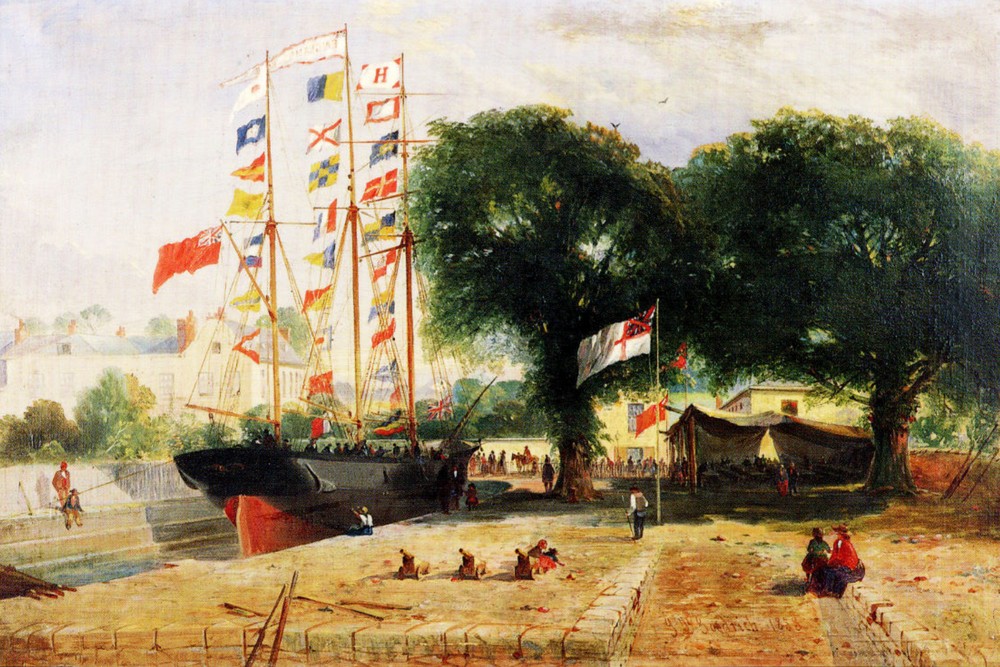
By the late 19th century, the shipbuilding industry faced dramatic upheaval: steam engines, iron and steel hulls, and the arrival of the railway transformed maritime trade and the final vessels were constructed here in 1874.
Holman & Sons adapted to change by shifting focus. They took on contracts to build and repair the growing fleet of Brixham trawlers, keeping pace with the changing demands of the time. Eventually, in 1873, the company closed its shipbuilding operations and turned its expertise toward risk management, insurance, and maritime law.
