
Waypoint 1 – The Quay
Topsham and the wool trade
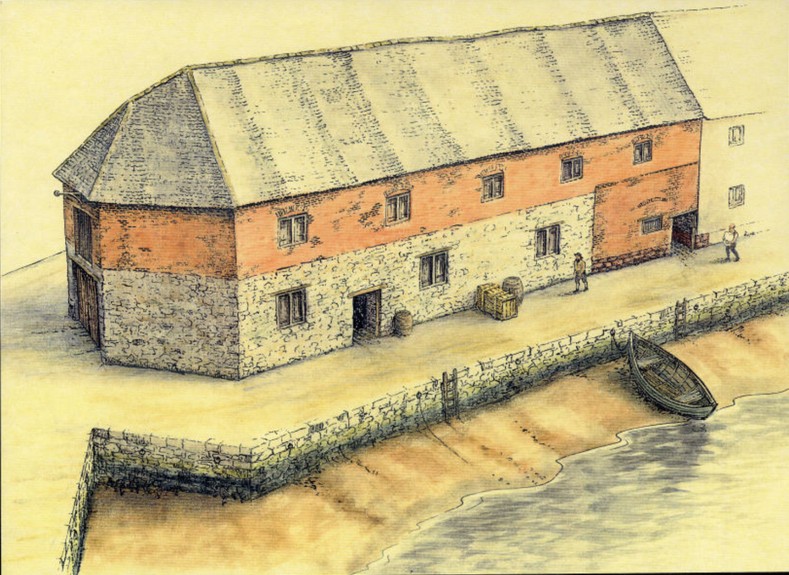
Topsham Quay has undergone significant transformations since its origins in the 1300s. Built around 1315 for lord of the manor Hugh de Courtenay, Earl of Devon, the driving force behind the quay was the West Country’s woollen trade, beginning in 1300 and expanding dramatically until 1730.
In the late 16th century, Exeter stood at the heart of the region’s thriving cloth trade, the cornerstone of its economy. The city prospered through the production of raw wool and serge—a ridged weave also known as twill.
Merchants, often based near the wool markets of Exeter and Tiverton, supplied the raw material. Manufacturers then transformed the wool into finished cloth, which was sold to merchants in Exeter and Topsham for export to Holland, Germany, Spain, and Portugal. During this period, several merchant families rose to prominence, shaping the city’s commercial landscape.
© Chris Henderson
Topsham Museum showcases examples of cloth seals and tillet blocks—woodcut print blocks used by the wool industry in the 17th and 18th centuries. Exported textiles were wrapped in coarse cloth known as tillet, adorned with decorative prints that served as company trademarks and quality assurance symbols.
The legacy of Exeter’s cloth trade with Holland endures in the Dutch architectural influences still visible along the Strand.
Sea trade
Being the closest port to Exeter, ships brought in goods including wine, fish, and timber from all over Europe. These were then taken by road into the city. Customs officers worked here and used the ‘King’s Beam’ to weigh the goods and collect taxes on the cargo.
In 1760, the quay was bought for £500 (a lot of money back then!). It wasn’t just for goods — people were sent from here to Australia as punishment, travelling via London.
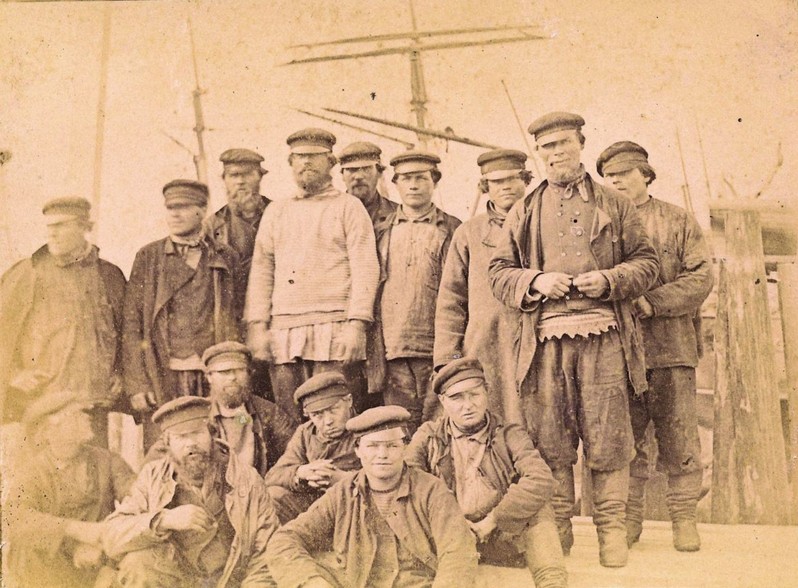
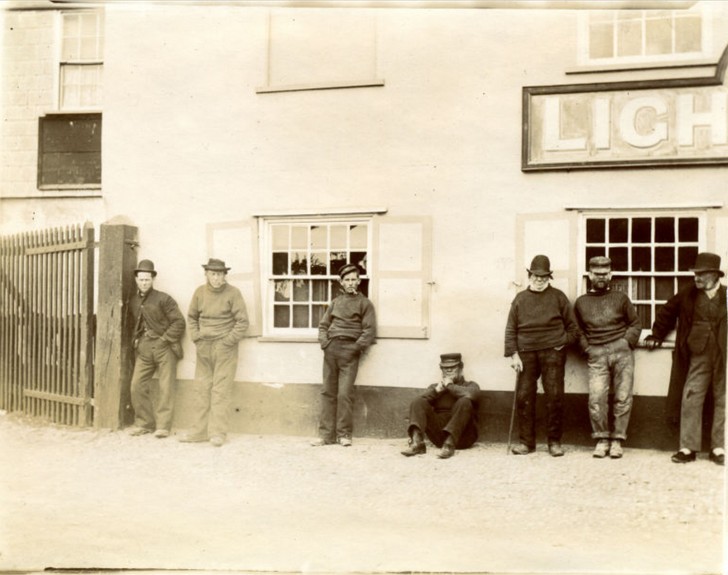
By 1861, the railway arrived in Topsham, and a branch line was built to the quay. It helped carry coal and timber to the main line. Paddle steamers also used the wharf offering passage to London and the Channel Islands.
In 1953, a huge granary warehouse was built, hoping to bring back busy port life. The grain ships didn’t stay long, and the building became a beer bottling plant. As the port declined, eventually the railway was removed, and the area became the recreational space we enjoy today.
Cast off and set course for the next stop at Underway
Walk across the Quay heading back towards Fore Street. Turn left to follow the river frontage along Underway.
